

Fiber is having its moment. The food is not. Here is how to fix that.
If you have opened TikTok in the last six months, you have met fibermaxxing. Chia pudding. Bean bowls. Lentils on everything. Fiber has officially dethroned protein as the macronutrient of the moment, and honestly? I am here for it. This is one trend where the science and the hype actually line up.
Here is the part nobody posts about, though. Most people who try fibermaxxing quit inside of two weeks. Not because it does not work. Because the food is boring.
Beans, lentils, and roasted vegetables are the cheapest, most fiber-dense foods on the planet. They are also the foods most likely to be eaten plain, once, out of obligation. Nobody sticks with a way of eating they do not enjoy. I built Healthy On You in 2015 around exactly this idea: healthy cooking should never mean bland cooking. Fibermaxxing is where that idea earns its keep.
The gap is real, and it is bigger than you think
Adults need roughly 25 grams of fiber a day if you are a woman and closer to 35 if you are a man. Most Americans are getting about 15.
That is not a small miss. Federal data shows more than 90 percent of women and 97 percent of men fall short of the target. We are, collectively, not even close. And the benefits we are leaving on the table are not minor ones: fiber feeds your gut bacteria, steadies blood sugar, and keeps you full for hours instead of minutes.
That last one is why this trend and my last post about eating on a GLP-1 are really the same conversation. Fullness is the whole game. Fiber is just the version you can get from a grocery store.
Why seasoning is the actual strategy
I want to be clear about what spices do here, because I am not going to oversell it. Spices do not add fiber. They will not do the nutritional work for you.
What they do is make you want to eat the food again tomorrow.
That sounds soft. It is not. Adherence is the entire ballgame with any way of eating, and the thing that kills adherence fastest is monotony. A cup of lentils has around 15 grams of fiber, which is more than half your day handled in one bowl. But plain lentils are a punishment, and you know it. Season those same lentils with turmeric, ginger, coriander, and cumin and suddenly you are making them on purpose, on a Tuesday, because you want them.
Spice blends are the difference between fiber as a chore and fiber as dinner. Zero calories, no sodium required, all upside.
The fibermaxxing flavor cheat sheet
Save this one. These are the pairings I reach for constantly, matched to the highest-fiber foods in the grocery store.
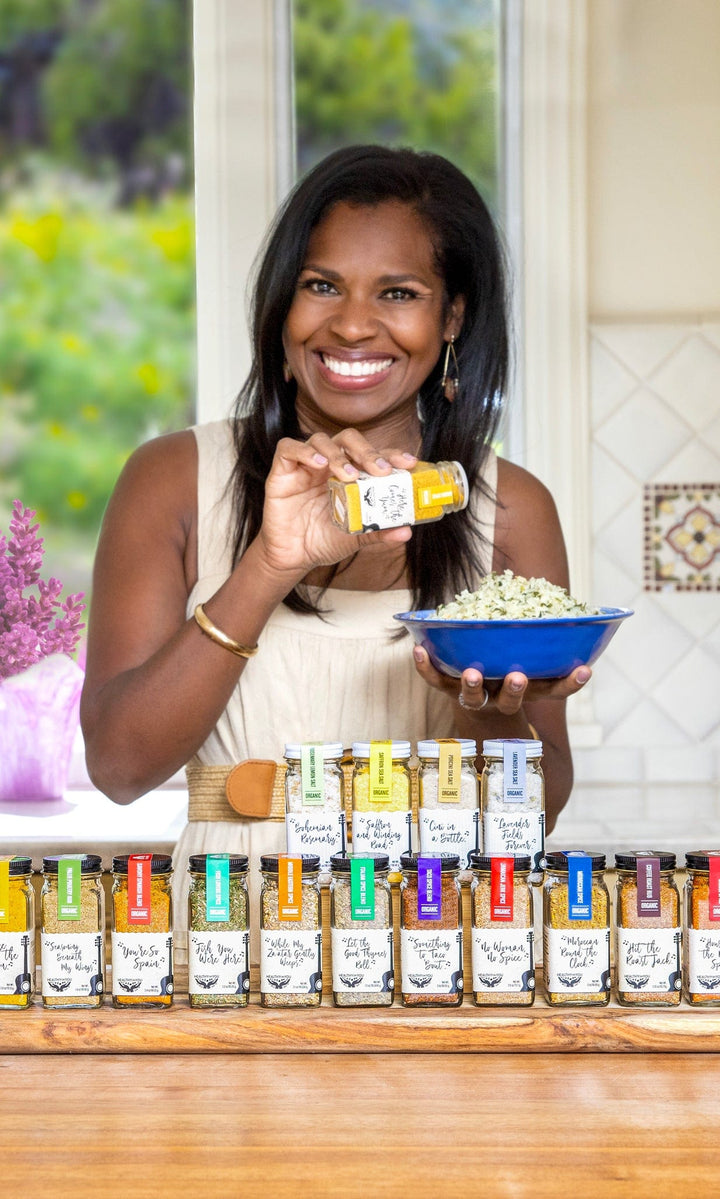
Brown or green lentils, about 15g per cup. Here Comes The Yum. Turmeric, ginger, coriander, and cumin turn a pot of lentils into something warm and golden. This blend was practically built for legumes.
Red lentils, about 15g per cup. Berbere Ann. Cardamom, cinnamon, and cayenne layered into a stew you can smell from the next room. Ethiopian cooking has understood lentils longer than any of us.
Black beans, about 15g per cup. Something To Taco 'Bout. Salt-free, ancho-forward, and the fastest route from a can of beans to actual tacos.
Split peas, about 16g per cup. Spice Spice Baby. Warm five-spice notes make split pea soup taste intentional rather than institutional.
Chickpeas, about 12g per cup. Moroccan 'Round the Clock. Roast them with cauliflower on one sheet pan and you have a complete dinner with almost no effort.
White beans, about 11g per cup. Let The Good Thymes Roll. Cannellini beans, olive oil, a handful of greens, ten minutes. Salt-free, so season freely.
Roasted vegetables and skin-on potatoes. Bohemian Rosemary or Provence You've Been Gone. Leave the skins on. That is where a surprising amount of the fiber lives.
Whole grains like farro, barley, and quinoa. While My Za'atar Gently Weeps. The sumac in this blend brings a bright, tangy lift that keeps a grain bowl from tasting heavy.
Three of these blends are completely salt-free, which matters more than it sounds. If you are adding beans and grains to your day, you do not want to add a sodium problem along with them. Our Salt Free Releases set has four of them together.
Go slow, and drink water
One piece of real talk before you go build a lentil mountain.
If you currently eat 15 grams of fiber a day and you jump to 35 tomorrow, your digestive system is going to have opinions. Bloating, gas, cramping. This is the single most common reason people decide fibermaxxing "does not work for them," when really the problem was pacing.
Add about 5 grams a week. Drink noticeably more water than you think you need, because fiber pulls water into your gut and needs it to do its job. Give yourself a month to get where you are going. Slow works. Heroic does not.
My picks from our recipe box
More fiber, more flavor. These are the ones I make on repeat:
Moroccan Spiced Cauliflower and Lentils. If you make one recipe from this post, make this. Lentils and cauliflower doing the heavy lifting together.
Dahl and Rice. Red lentils, deeply spiced, endlessly comforting. Genuine fiber powerhouse.
Air Fryer Falafels. Chickpeas with crispy edges and no deep fryer. Texture makes fiber fun.
Za'atar Spiced Quinoa Salad. Bright, tangy, and it holds up in the fridge for days of lunches.
Mexican Sweet Potato Burritos. Sweet potato and beans in one wrap. Weeknight-proof.
Berbere Spiced Cauliflower and Chickpeas with Ginger Yogurt. Fiber, plant protein, heat, and something cool to balance it.
Fiber does not have to taste like a resolution you are about to break. Turn up the flavor, and eat the good stuff because you want to.
A quick note: Spices are my thing, not medicine. If you have a digestive condition or are making a significant change to how you eat, check in with your healthcare provider first.
About the author: Sam Binkley is the founder of Healthy On You, where she has been hand-crafting organic, musically inspired spice and salt blends in California since 2015. Her work has been featured in Forbes, Essence, and Taste of Home.